
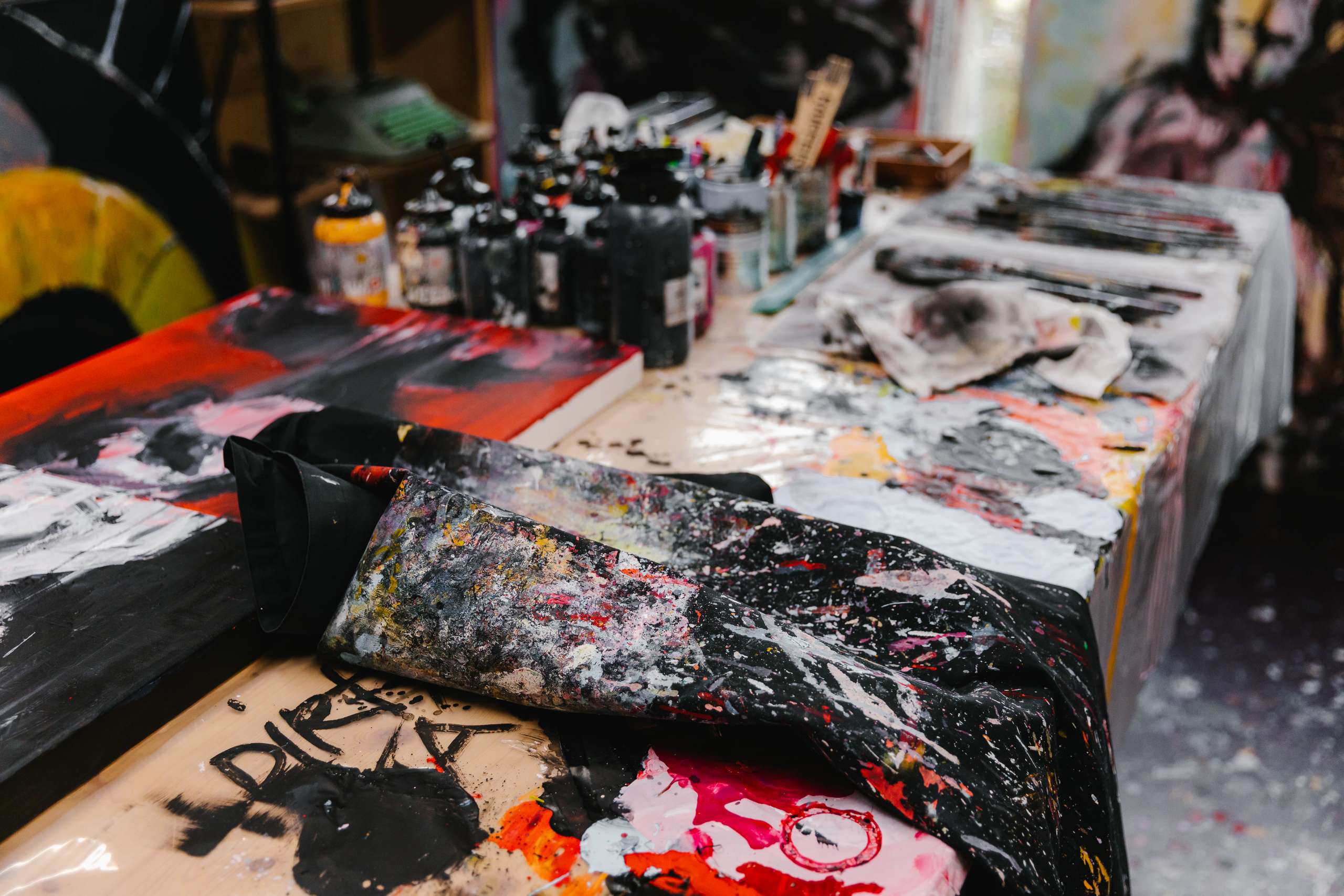
Techniques for Realistic Textures in Acrylic Painting
Creating Depth and Lifelike Surfaces
Texture brings life to acrylic paintings, adding dimension and interest. Realistic textures allow viewers to feel the surfaces portrayed, from rough tree bark to soft fabric. Mastering texture techniques is essential for creating compelling, immersive artwork.
Start with Observation
Study your subject carefully. Notice patterns, irregularities, and the way light interacts with different surfaces. Observing details closely helps you replicate textures more convincingly and adds authenticity to your work.
Key Methods for Texture Creation:
- Dry Brush Technique: Apply minimal paint to a stiff brush for subtle, scratchy effects.
- Impasto Layers: Build thick paint areas to emphasize raised or tactile surfaces.
- Sgraffito: Scratch into semi-wet layers to reveal underlying colors and create intricate patterns.
Acrylic mediums are highly versatile for texture. Gel mediums increase volume without affecting color intensity, while modeling paste allows sculptural effects. Mixing these with paint expands possibilities for creative experimentation. Layering different techniques can achieve complex, multidimensional textures that capture attention.
Practical Exercise:
- Select an object with distinct texture, such as a leaf or stone.
- Start with a base color layer, painting its overall shape.
- Use dry brush, palette knife, and gel mediums to mimic surface details.
- Review and adjust contrasts, shadows, and highlights to enhance realism.
Combining texture techniques with proper color and lighting choices strengthens the illusion of realism. Subtle highlights and shadows enhance depth, making surfaces appear tangible. Don’t hesitate to blend multiple methods, adjusting pressure and layering to achieve natural effects.
Finally, experiment regularly. Keep a small journal of texture studies to track progress and inspire new methods. Practicing on small canvases allows safe exploration of diverse approaches, gradually improving your confidence and technical skills.
Realistic textures in acrylic painting elevate work from flat representation to immersive experience. Mastery of these techniques allows artists to communicate more effectively, making every stroke intentional and impactful.